
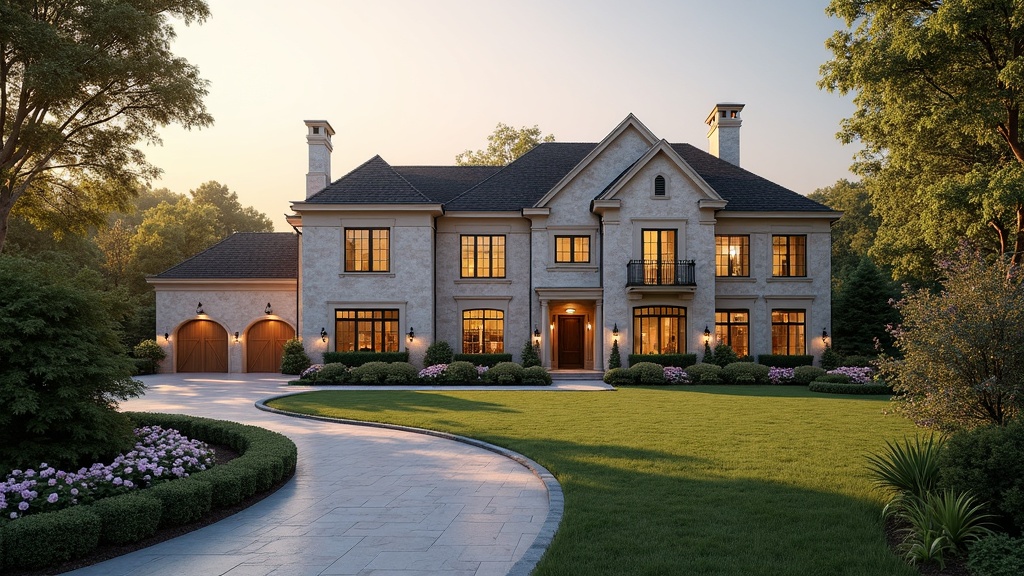
Why Working with a Custom Builder is the Key to Your Ideal Living Space
Many individuals who purchase a production home recognize the same list of regrets within two years of living there. The sun sets on a barren corner of the lot. The kitchen overlooks a boring stretch of siding. The master bathroom is a bit cramped. The bedrooms are clustered too closely together. Expanding the garage meant sacrificing an extra bedroom. Custom building does not mean just fixing these compromises beforehand by simply demanding more luxury. It means fixing them at structural level such that the buyer never encounters them again.
You’re Not Paying More, You’re Paying Smarter
The term "custom home" has often been replaced by "dream home." This might sound like a marketing ploy, but when you begin working with a custom builder with an in-house design team, the reality of that term starts to make the production builder process seem downright Orwellian.
Production builders spread costs across standard finishes, generic floor plans, and pre-negotiated materials chosen for margin, not performance. When you buy that home, you’re paying for the full package – including the parts you’d gut in year three. That’s the compromise tax: real money spent on square footage and features you didn’t ask for and won’t keep.
A custom builder works differently. The budget is structured around priorities you set. Spend more on the kitchen and master suite, less on a formal dining room you’d never use. That’s not a luxury decision. That’s basic financial logic applied to what is, for most people, the largest purchase of their lives.
What Happens Inside The Walls Matters More Than What You See
One area where custom construction creates lasting value is in the "invisible" materials – insulation, HVAC systems, the building envelope. These aren’t glamorous, but they determine utility costs, indoor air quality, and comfort for decades.
Production builders are under margin pressure to use materials that meet code minimums. Custom builders aren’t locked into the same supply chains. They can spec high-performance insulation, triple-pane glass, or systems targeting Energy Star certification because those decisions are driven by the homeowner’s preferences, not a cost-per-unit spreadsheet.
Site orientation is another factor that production developments rarely consider at the individual home level. A custom builder positions your home on your specific lot to capture the right light, reduce heat gain in summer, and account for natural drainage on the actual topography. These aren’t afterthoughts. They’re decisions made early in the design-build process that affect how the house performs every day.
Building For Where Your Life Is Going, Not Just Where It Is Now
Future-proofing isn’t something production homes are designed to do. They’re constructed to hit a certain price point for the average buyer, meaning they’re more or less obsolete for anyone who’s going to outgrow them in a decade and a half.
Custom builders tend to see the bigger picture. For some, that’s going to be wider hallways and kitchen doors and a curbless shower – "universal design" choices that allow the home itself to stay functional even as its residents age. For others, it’s going to be a flex space that adds on as a home office now and a guest suite down the line. Or maybe an infrastructure that adds in smart home capability from the get-go, with wiring in all the walls instead of snaking it behind the baseboards post-occupancy.
Capstone Homes help buyers make those choices, along with decisions about all kinds of other things, from the internal energy efficiency rating to how closely the final product resembles the artist’s renderings.
Transparency Is The Hidden Benefit No One Talks About
The problem with change orders in construction isn’t the change order itself – it’s the lack of alignment between buyer and builder, making an already adversarial process even worse.
With custom builders who specialize in this work, the budget conversation happens before the first nail goes in – and adjustments are managed formally and clearly throughout. Homeowners aren’t discovering costs at the end. They’re making informed tradeoffs along the way, with a builder who’s financially incentivized to maintain the relationship because referrals and reputation are the business model.
Zoning requirements, permit timelines, material lead times for high-end finishes – all of this sits on the builder’s plate, not yours. A good custom builder handles supply chain complexity and regulatory navigation as part of the service, so the homeowner can focus on decisions, not logistics.
The Home You Don’t Need To Leave
46% of custom home buyers report the ability to personalize as the top reason they don’t think they’ll move again in the next ten years. (National Association of Home Builders) It’s not an emotional stat, but a logical one. When your home is specifically tailored to your life in every way from the ground up, there’s no "second draft" hiding across town. Custom doesn’t mean excessive. It means exact – spending right, spending once, and creating a space that fits the family instead of making the family fit the space. That’s what a custom builder is.