
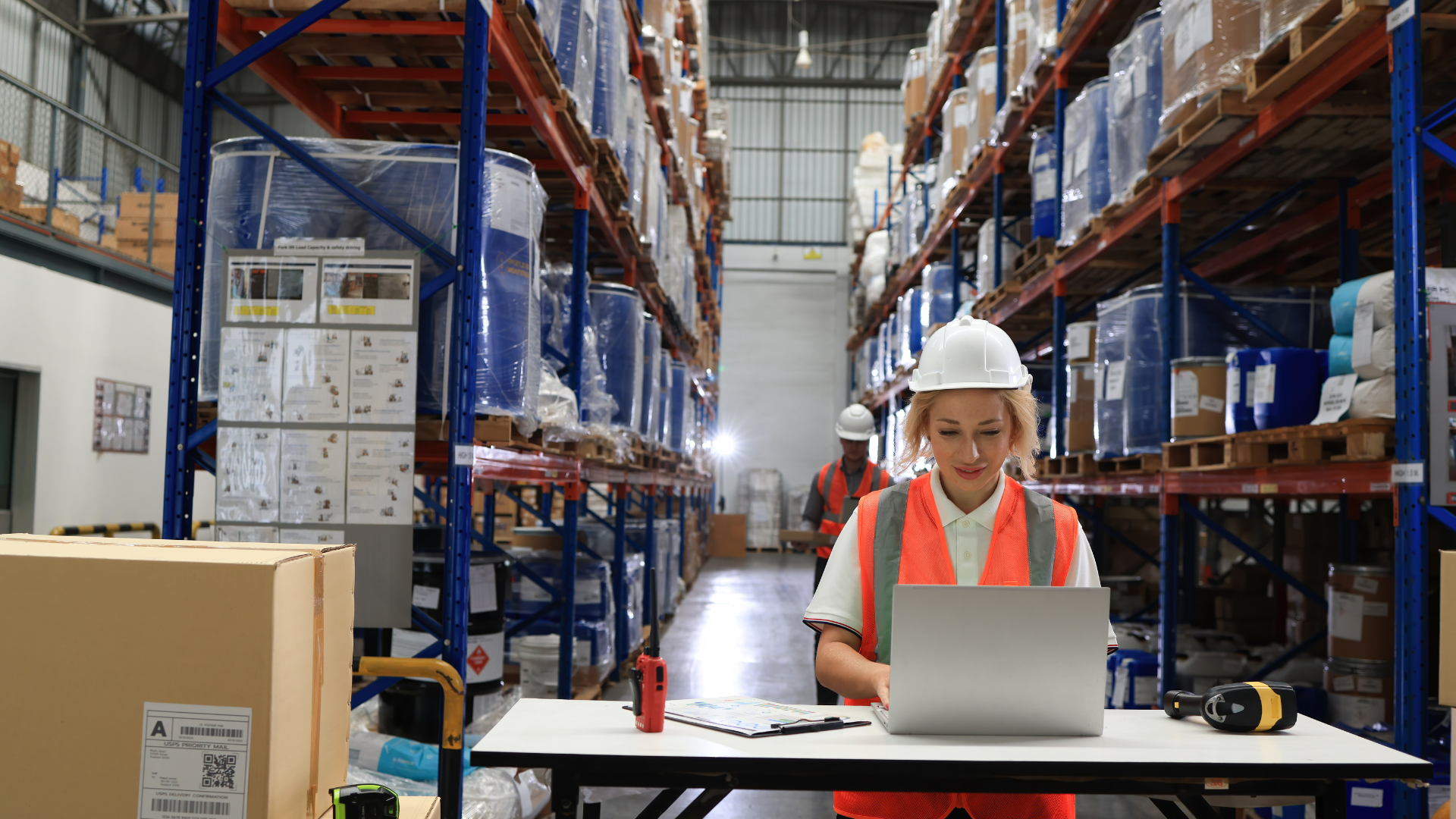
Warehouse rack systems come in many styles, the most common being cantilever, cantilever with a live roller, and long span. All three styles suit different warehousing needs, but there are some similarities among them. Each style has its own advantages and disadvantages, which we explore below.
Picking the right racking system for a warehouse can be complicated, but it doesn’t have to be. To help you along, we’ve put together this quick guide to help you decide which racking configuration works best for your warehouse.
Internal perspective
Internal perspective is one of the tips for How to Pick a Warehouse Racking System? Warehouse storage solutions are a major part of a company’s logistical structure, and having the right rack system in place can make a massive difference to a company’s bottom line. Warehouse racks allow a company to transport products quickly and efficiently, and with the right system, the racks will also keep products out of the system and employees safe from avoidable workplace injuries.
External perspective
With warehouse racking systems being a vital feature in any warehouse setup, their importance cannot be overlooked. However, picking out the right racking system is not always easy. This is because racking systems come in all shapes and sizes, and picking the right one takes knowledge of the facility, the needs of the business, and the budget. Before settling for any particular system, it is important to consider a few important factors. The most important of which is the external perspective of the system, which determines how safe the system will be.
Consider how your SKU and Product Range moves.
Warehouse rack storage is a system where vertically placed racks of multiple SKUs are stored over aisles. The vertical storage racks are mounted on casters and vertical beams that give access to the vertical storage racks. The storage racks are accessed by forklifts, pallet jacks, or hand trucks. The vertical storage racks may be fixed height or adjustable height and adjustable in width. The vertical storage racks are mounted on a structure, usually a pallet rack, with wire, wall, or solid decking. Pallet rack systems allow the elimination of warehousing floor rack aisles. This increases storage density, floor space utilization, and floor space.
Beyond the racking system itself, efficient movement of goods within warehouse aisles depends heavily on using the right material-handling equipment. Selecting suitable hand trucks, dollies, or trolleys is essential for maintaining productivity and ensuring worker safety, particularly in narrow aisles or when handling heavy loads. From sturdy platform trolleys for everyday transport to specialized or powered units for demanding industrial tasks, the right equipment enables faster, safer movement of goods in and out of storage. Investing in durable, ergonomically designed solutions helps reduce workplace injuries while streamlining picking and packing operations. Suppliers such as Verdex trolleys and similar others tend to offer a broad range of trolleys designed to support efficient material handling across diverse warehouse environments.
Think about your Equipment Requirements
When planning an efficient warehouse setup, it’s essential to consider not just the racking system itself, but also how goods are supported and stored within it. Every load needs a stable base to ensure it can be moved, stacked, and stored safely without risk of damage or imbalance. The compatibility between your storage system and the materials used to carry those loads plays a key role in maintaining both safety and operational efficiency.
The type of base used for these loads is just as important as the racks themselves. Many businesses find that standard sizes do not always fit their specific storage needs or export rules. Using high-quality Wooden pallets in Adelaide helps ensure that goods stay secure during both local transport and international shipping. Custom timber solutions allow for better weight distribution and fit perfectly within specialized racking setups. This choice reduces the risk of wood splitting or loads shifting while they are high up on the shelves. Having the right dimensions for your pallets makes the whole loading process much safer for the team.
Safety is often tied to how well the warehouse is organized and labeled. Once the racks are in place, the next step is to organize the inventory so workers can find items quickly. Many facilities use temporary or permanent markers to identify different sections of the shelving. Using Magnetic Warehouse Labels makes it easy to change these designations when stock levels or product types shift. These labels stick to steel rack beams and do not leave a sticky residue behind. It is a practical way to manage a dynamic inventory system.
The effectiveness of your racking system often depends on the condition and compatibility of the equipment you use with it. Forklifts, pallet jacks, and other handling tools need to be well-maintained and suited to the layout and weight capacities of your storage system. For sourcing dependable components and replacement parts, companies like Intella Parts offer a range of options that support the smooth operation of warehouse equipment. Taking the time to evaluate your full equipment setup can help reduce breakdowns, improve efficiency, and enhance workplace safety.
Overall costs and how to choose your investments wisely.
Choosing the right racking system for your warehouse can be a daunting task. It can be one of the driving factors in why warehouse managers struggle to get the job done. When it comes to choosing racking systems for your warehouse, several key factors should be considered. Considerations such as overall costs, installation costs, rack maintenance requirements, and item storage needs are just some of the factors that will help determine the best racking system for your warehouse.
Picking a warehousing racking system for your business is a very important step, as it will ultimately help your complete tasks faster and more efficiently. However, picking the wrong system could have the opposite effect, as you waste time moving items back and forth from shelves.